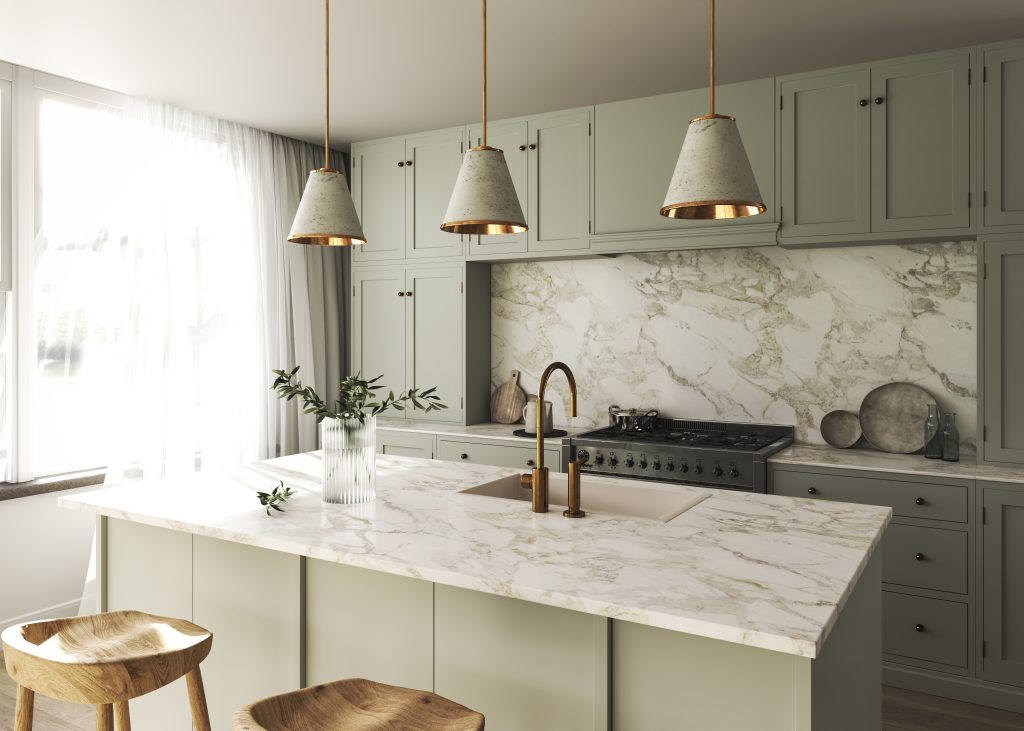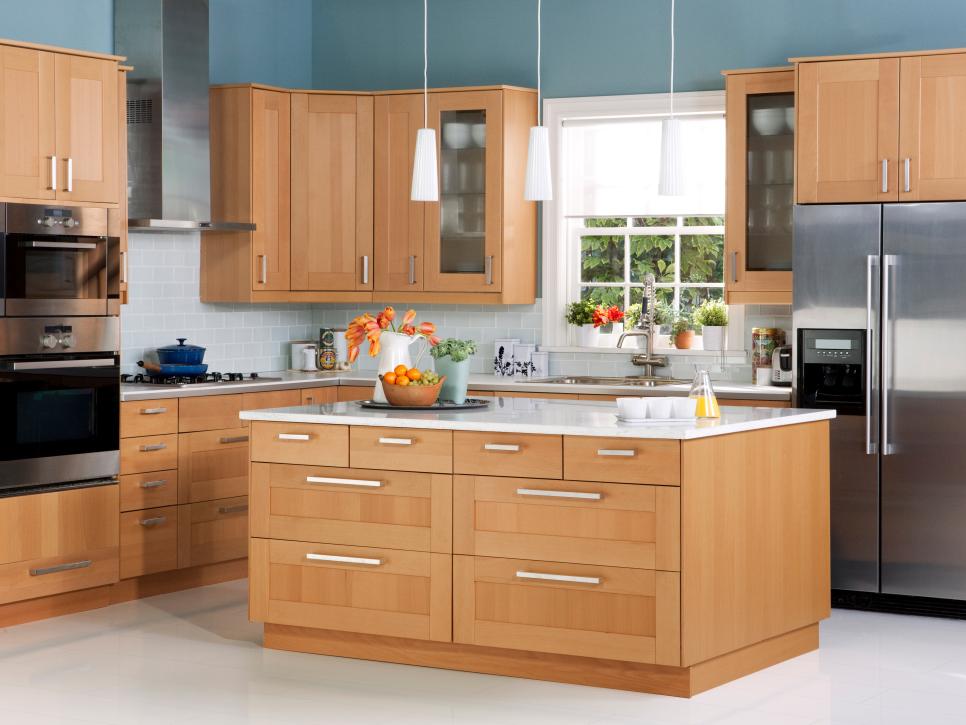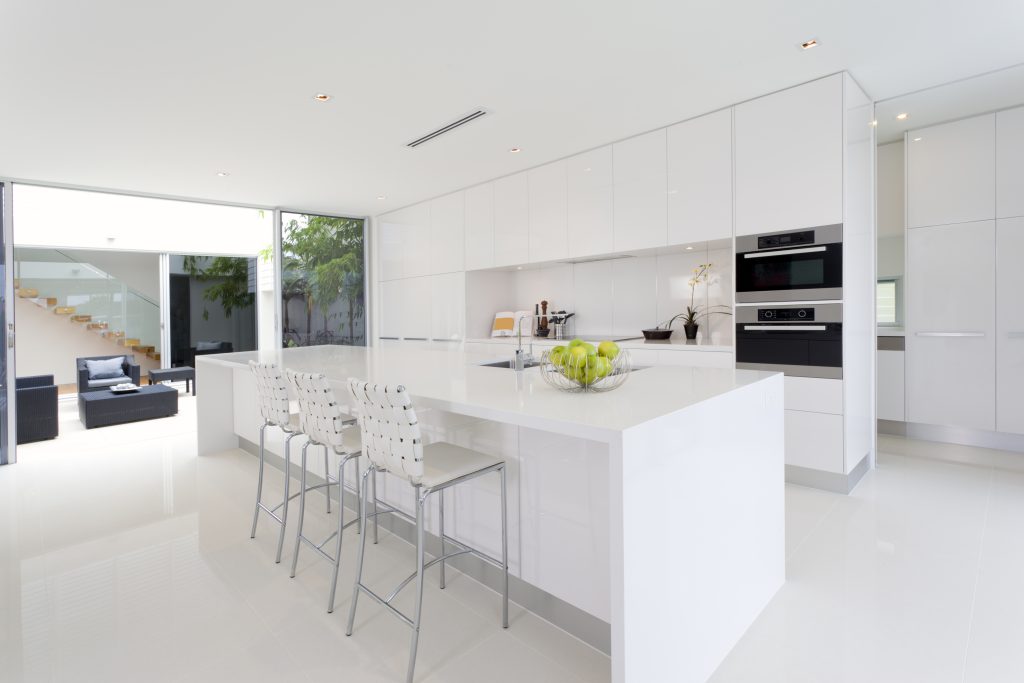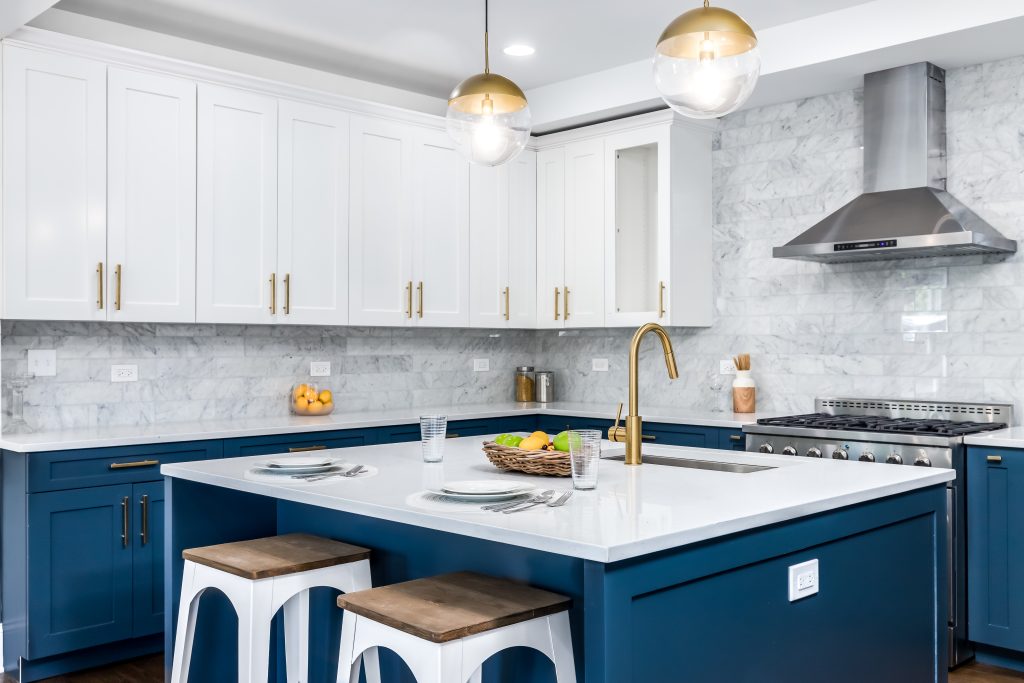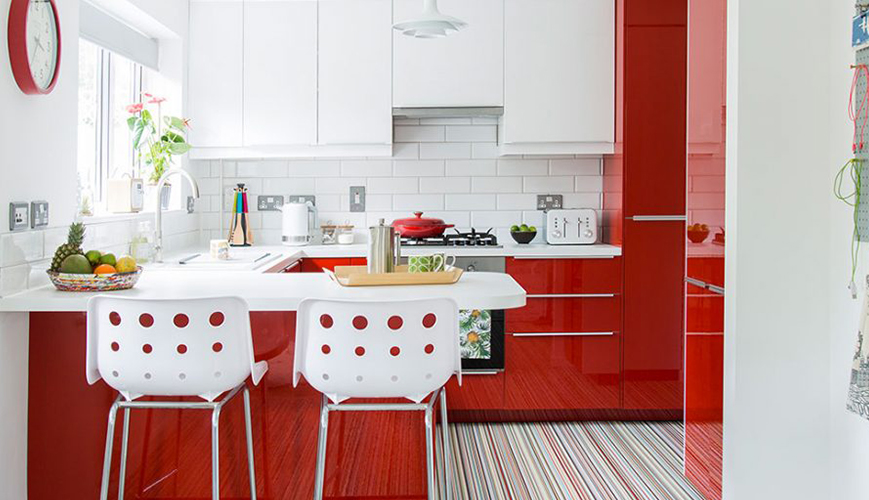
In Camden, homeowners want more than surface-level upgrades. Most of the people investing in kitchen renovations Camden want a balance between character and modern functionality, especially as property expectations continue to rise across Greater Sydney.
Today, renovations aren’t limited to some quick fixes but are about long-term value. Well-planned kitchens are incorporated with long-lasting materials, effective layouts, and design coherence.
Understanding technical aspects of restorations and permits is as crucial as the designs and cosmetic appeals in areas like Camden.
Understanding Kitchen Renovation Permits in Camden
Why Permits Are Required
Permits are not only an administrative requirement. They exist to ensure renovations meet the safety, structural, and compliance standards of your area.
When doing a kitchen renovation, permits become a necessity because of multiple major changes involved, like plumbing, electrical wiring, and structure. If you reside in New South Wales, your kitchen should meet the standards accepted across NSW.
Having a permit means you have a licence and proof of the current construction being legal and aligned with local council requirements.
Types of Permits for Kitchen Renovations
There are multiple kinds of changes you can make to your property. Some renovations might need a permit, some don’t, while some may need special and different kinds of permits. Most kitchen renovations in Camden fall into these key categories:
Building approvals
If your kitchen renovation project includes structural alterations, for example, the demolition of walls, changing the layout, or even working on the windows, there is the possibility that you need formal approval.
Plumbing approvals
Any changes related to sinks, dishwashers, or water lines should meet plumbing regulations. The plumbing work should be done by a licensed plumber only.
Electrical approvals
Installing or relocating power points, lighting, or major appliances requires a licensed electrician. All electrical work must meet Australian standards to ensure safety.
Step-by-Step Process to Obtain Permits in Camden
Applying for a Development Application (DA)
For more extensive kitchen renovations, a Development Application (DA) may be required through the local council. This process involves submitting detailed plans that outline the scope of work, materials, and any structural changes.
In some cases, a Complying Development Certificate (CDC) may be a faster alternative if the renovation meets specific criteria.
Engaging Licensed Professionals
Working with licensed tradespeople is not just recommended, it’s essential for compliance. Builders, electricians, and plumbers must all hold valid licences in New South Wales.
They also play a key role in ensuring that work meets required standards and can often assist with documentation needed for approvals.
Inspection and Approval Process
Once work begins, certain stages may require inspection. This ensures that installations, especially plumbing and electrical, are completed correctly before the project progresses.
Final approval confirms that the renovation complies with all relevant codes and standards, giving homeowners peace of mind that everything has been completed properly.
Common Mistakes to Avoid When Renovating
Renovating Without Permits
A smooth renovation doesn’t mean skipping the boring task of acquiring permits. It only leads to bigger issues. Unapproved construction or changes may result in fines, decreased property value, and problems during insurance claims.
Even when the changes seem minor, it’s always worth confirming whether approval is required.
Hiring Unlicensed Contractors
Not giving enough attention to your contractor’s license can create serious risks. Unlicensed contractors are out there. If you hire one, your renovation work may not meet the required standards or be legally recognised.
Licensed professionals ensure accountability and provide documentation that protects both the homeowner and the property.
How Penrith Valley Kitchens Can Simplify Your Renovation?
A local renovation specialist with experience in the industry can put the whole process into a straight lane. At Penrith Valley Kitchens, we understand the specific requirements of kitchen renovations Camden homeowners face. These include council approvals and material selections.
Homeowners prefer a strategy that unifies different aspects of the process rather than going to different contractors at each step of the process. That is what we offer, along with NSW standards compliance, minimised delays, and minimal scope for errors.
Smooth Kitchen Renovations in Camden with Proper Permits
A renovation can only be considered truly successful when it goes beyond appearance. Proper permits, full compliance with regulations, high-quality materials, and a focus on long-term value are what ultimately define a well-executed kitchen renovation in Camden. For reliable work, homeowners only trust working with the right professionals like Penrith Valley Kitchens. Explore your options or get started here:
Frequently Asked Questions
Q1. Do I always need a permit for a kitchen renovation in Camden?
No, not always. Permits show that what you’re going to change is legally accepted. You can do minor updates to your property without needing any such approval.
Q2. How long does it take to get approval for a kitchen renovation permit?
Getting approval for your permit depends on several factors. A Complying Development Certificate may take a few days, while a Development Application can take several weeks.
Q3. Can I renovate small parts of my kitchen without a permit?
If by small you mean cosmetic changes, then it is generally allowed. But if you’re unsure, it’s best to get a confirmation.
Q4. How much do kitchen renovation permits cost in Camden?
Renovation permits don’t have a specific fee. It varies based on the project scope and size, ranging somewhere around $500 – $2000.
Q5. Can I start a kitchen renovation without a licensed contractor in Camden?
Yes, for minor handy work. But any regulated work needs a licensed professional’s supervision in order to meet NSW requirements.
Read More Resources